Garden Clearance in Chigwell

Garden clearance in Chigwell should leave outdoor spaces tidy, usable and ready for the next stage of work, whether that means a simple seasonal cut-back or a fuller removal of overgrowth, bagged waste and awkward items from sheds and borders. Our service is built around practical clearance of green waste and related garden materials, with a straightforward approach that helps customers regain control of their outside areas without unnecessary disruption.
We handle a wide range of clearance tasks, from routine garden waste removal to more involved tidy-ups that may include broken plant pots, вет? No, broken plant pots, old timber, damaged trellis, soil-heavy waste and general debris gathered during garden maintenance. The aim is to separate what can be removed efficiently from what should remain in place, so the work stays focused, safe and suitable for the site.
Alongside the physical clearance itself, we can help customers think through how the job should be approached: a light refresh after pruning, a more complete strip-out before landscaping, or a removal visit for accumulated waste that has been left to build up over time. Clear scope matters, because the best result usually comes from matching the visit to the condition of the garden rather than treating every property the same way.
Garden Waste Removal and Green Refuse
Our garden waste removal work covers the kinds of materials most commonly produced by maintenance and tidying. That can include branches, hedge cuttings, grass, leaves, weeds, roots, and other green refuse that can be gathered, loaded and taken away in a single organised visit. We also deal with mixed garden loads where the waste is not purely green, provided the items are suitable for clearance and do not fall outside the service scope.
Where a garden has been neglected, the removal process often needs a little more planning. Heavy clippings, damp waste and mixed piles may need sorting before loading so that transport remains efficient and the area is left more orderly. In practical terms, this means we look at access, volume, weight and the condition of the material rather than simply lifting everything in one pass. That keeps the work sensible and helps the customer know what is being removed.
When preparing for a visit, it is useful to separate obvious garden waste from anything that should stay on site, such as tools, planters or items to be reused. If you can group materials together, even loosely, that can make the clearance smoother. Useful preparation is simple: keep paths as open as possible, make sure waste is reachable, and note any awkward access points. If you are ready to move on, ask for a quotation.
Hedges, Branches and Overgrowth

Many clearances in gardens involve cutting aftermath rather than a full redesign. Hedges, prunings and overgrowth can quickly create bulky waste that is hard to bag or store neatly. We clear the aftermath of hedge trimming and branch reduction, including bundled cuttings and awkward woody material that is too much for household bins. The service is especially useful when a garden has been cut back but the waste still needs to be removed promptly.
Woody waste is different from softer green waste because it can be sharper, heavier and less forgiving to handle. Branches may need to be shortened before loading, and thorny or tangled material can take longer to prepare safely. A good clearance plan keeps the job practical: the waste is assessed, gathered and removed in a way that suits the amount present. That is often more efficient than trying to treat all garden debris as if it were the same kind of material.
We also help when overgrowth has crept into paths, beds or fences and the immediate priority is to create workable space again. In those cases, the clearance is about restoring access as well as removing waste. If you want to compare options before booking, our team can talk through the likely approach. Tell us what is in the garden, and we can help you decide whether the work is best handled as a light tidy-up or a fuller removal.
Soil, Turf and Heavy Outdoor Debris
Some garden clearances are heavier than they first appear. Old soil, lifted turf, wet compost, broken edging and compacted debris all add weight and can change the way the job needs to be handled. We deal with these materials carefully, especially where they have been piled up after digging, re-levelling or the removal of old planting. This type of clearance often suits properties where garden work has already started, but the waste still needs removing.
Heavy materials are usually best dealt with in manageable sections rather than as one oversized pile. That is because dense waste can affect loading, lifting and safe movement around narrow paths or uneven ground. Where suitable, we can combine soil-type waste with other garden refuse, but the exact mix matters. A good quotation depends on the volume, the weight and whether the pile includes reusable or non-garden items that should be separated first.
If the material is spread across several spots, it helps to identify the main piles in advance so the visit can be planned properly. A short list is often enough: one pile of turf, one of branches, one of mixed garden waste. That gives a clear picture without overcomplicating the job. Clarity saves time and helps keep the service focused on the waste that really needs to go.
Garden Fixtures, Sheds and Outdoor Mixed Loads

Garden clearance is often more than green waste alone. Outdoor spaces frequently contain old fencing, damaged panels, broken pots, weathered timber, collapsed storage items and other mixed materials that have been left behind after repairs or seasonal work. We can clear suitable non-hazardous garden items as part of a wider outdoor tidy-up, provided the load remains within the agreed scope and does not involve excluded materials.
When garden fixtures are involved, it is useful to think in categories rather than a single pile. Timber, metal, plastic, compost sacks and plant waste may all be present together, but they do not all behave the same way during removal. Sorting can improve efficiency and makes it easier to judge the size of the job. If a shed contains a mix of unwanted outdoor items, the clearance can often be approached in stages so that usable items stay in place and waste is removed cleanly.
This kind of work often suits customers who want one organised visit rather than several small attempts to tidy the space. It can be used before landscaping, after a garden renovation or at the point when clutter has become too awkward to manage alone. For a clearer estimate, describe the outdoor items as fully as you can and mention any access limitations, so the quotation reflects the actual work involved.
Access, Loading and Site Considerations
Useful garden clearance depends not only on the waste itself but also on how it can be reached. Narrow side passages, steps, uneven paving, locked gates and distance from the garden to the collection point can all affect the time and effort needed. We take these practical factors into account when planning the job, because efficient loading is often the difference between a straightforward clearance and one that becomes awkward for everyone involved.
It also helps to know whether the waste is piled neatly, spread around the garden or mixed into beds and borders. A single contained pile is usually simpler to manage than several smaller piles, but that does not mean a scattered garden cannot be cleared. It simply means the approach may need to be adjusted. In some cases, the best route is to remove waste as it is gathered; in others, it is better to consolidate materials first so that the work proceeds in a more orderly way.
Before requesting a visit, think about the access route, the main waste types and whether anything needs to remain in the garden. If there are gates, driveways or communal paths involved, mention them early so the estimate is accurate. Good information helps us shape the clearance properly. If you are ready to move ahead, you can request a quotation at a time that suits you.
What Affects the Quotation
Pricing for garden clearance normally depends on the volume of waste, the material type, the weight of the load and the ease of access. A pile of light hedge cuttings is not the same as a mixed load containing soil, timber and wet cut grass. The condition of the waste matters too, because compacted or spread-out materials can take more time to gather than items already bagged or stacked in one place.
Customers often want to know what makes one job more involved than another. In simple terms, the more sorting, lifting and loading required, the more the work changes. That is why it is useful to describe the garden honestly rather than trying to estimate from size alone. A small but very heavy heap may be more demanding than a larger pile of light clippings. Accurate details allow the quotation to reflect the job properly, without adding assumptions.
For the clearest quote, include what kind of waste is present, how much there is, and whether anything unusual affects the visit. If you have photographs, they can be helpful, but a careful written description is also useful. One clear message is enough: tell us what needs removing, mention the access, and note any items that should stay. That gives a practical basis for planning the work.
Garden Clearance for Tidy-Ups and Bigger Projects

Not every clearance is part of a major transformation. Some customers need a simple garden tidy after a long dry spell, while others want a more complete removal before planting, paving or landscaping begins. We can support both approaches by removing the waste that stands in the way of the next step. The service is flexible enough to suit a one-off refresh or a more substantial clean-up where several parts of the garden need attention.
For preparation work, it is often helpful to separate what is staying from what is going. That might include pots to be reused, compost bins to keep, or materials intended for another project. This makes the clearance more efficient and reduces the risk of removing something useful by mistake. If the garden is being readied for a contractor or a later stage of works, a tidy removal of waste can help create a better starting point without adding unnecessary complexity.
Where a project is likely to generate repeated waste, it can be sensible to think ahead about the order of work. Pruning first, then clearance, or dismantling small items before removing the remainder, may give a cleaner result. Plan the sequence if the garden is being changed in stages. That way, the clearance supports the wider project rather than competing with it.
Preparing for a Garden Waste Collection
Good preparation does not need to be complicated. A short inventory of the main waste types is usually enough, along with a note of any access concerns such as side gates, parked cars or steps. If the waste is in several parts of the garden, saying so upfront helps us understand the scale of the job before the visit. The aim is to make the quotation accurate and the collection efficient, not to burden you with unnecessary admin.
If you are sending information, focus on what matters most: volume, material type and where the waste is located. A few clear sentences can do more than a long explanation. Where possible, keep any safe route to the waste open so the clearance can begin without delay. If there are fragile items, planted areas or features that should be avoided, mention those as well. This keeps the work targeted and reduces the chance of misunderstanding on the day.
Once you know what needs removing, the rest is usually straightforward. Describe the garden honestly, note anything awkward, and ask for a quotation when you are ready. If the work is well matched to the site, the clearance tends to be smoother and more predictable for everyone involved.
About Chigwell
Chigwell is a settlement in the Epping Forest district of Essex, close to the north-eastern edge of Greater London, and it has a long history that is reflected in its buildings, landscape and place-name heritage. The area is recorded in the Domesday Book of 1086, and over time it developed from a rural parish into a commuter settlement with a varied mix of older houses, twentieth-century housing and more recent development. Its position near the edge of the capital has helped shape both its character and its transport links. The local landscape is strongly influenced by nearby Epping Forest, an ancient woodland that gives the wider district a sense of open green space unusual so close to London.
Chigwell’s built environment includes notable historic churches, period residential streets and a range of later suburban development, while the village centre retains a more compact, local feel than many surrounding areas. The parish church of St Mary, with its medieval origins and later alterations, stands as one of the best-known historic landmarks in the area. Chigwell also has cultural associations beyond architecture, partly because it appears in literature and has long attracted attention as a distinctive Essex place close to the city. Public transport links include the Central line, which connects the area to the wider London network, and nearby green corridors and open spaces add to the character of everyday life there.
For many visitors and residents, the appeal of Chigwell lies in the combination of accessibility and greenery. The area sits within a landscape where roads, woodland edges, local parks and residential streets meet in a relatively compact pattern, and that mix has shaped its development over centuries. Its identity is often described through its history, its church, its ties to Epping Forest and its position between suburban London and the Essex countryside. Those features make it a place with a clear sense of continuity, while still changing in response to modern housing and local movement patterns.
Garden Clearance for Seasonal and One-Off Jobs
Some of the most common garden clearances are seasonal rather than dramatic. After a wet winter or a heavy growing spell, gardens can collect enough cuttings, leaves and broken materials to need a proper removal visit. A one-off clearance can also help after tenants move out, before a sale, or when a property has been left without regular upkeep. In each case, the service is aimed at restoring order without overcomplicating the work.
It is often helpful to decide whether the job is mainly about green waste, mixed outdoor items or a broader tidy-up that includes both. That simple distinction makes the quotation more accurate and helps the clearance run to plan. We can handle the waste that is ready to go and leave anything reusable or still in place. If the garden contains a few problem areas rather than one large pile, those can be dealt with in a sensible sequence.
A seasonal visit can be especially useful where waste has built up in corners, behind sheds or along fence lines. These are the areas that are easy to overlook during routine maintenance, yet they can quickly create clutter. Start with the obvious piles, then work through the smaller collections of debris. If you need a quote, make the request as soon as you have a clear picture of the work.
Materials We Can Help Remove
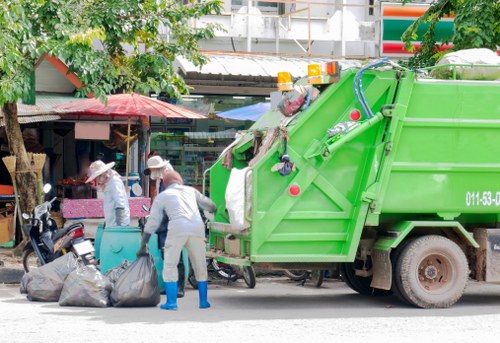
Our garden clearance service is designed around practical, non-hazardous outdoor waste. That can include branches, hedge trimmings, grass cuttings, weeds, leaves, roots, old compost, broken pots, timber offcuts, damaged garden furniture pieces and general mixed debris associated with outdoor upkeep. The exact combination varies from property to property, so the most useful approach is to describe what is present rather than assume the job is a standard load.
Some items need more handling than others. Wet green waste can be heavier than expected, while timber and broken fixtures may need careful lifting because of shape or sharp edges. We keep the work focused on the items that can be safely removed as part of a garden clearance, and we avoid turning the job into something broader or less suitable for the site. If the load contains a mix of materials, separating them where possible helps make the removal more efficient.
When you are ready to arrange the work, send through a brief description of the materials, the size of the waste pile and any access details that might affect the visit. That gives a solid basis for a quotation and helps decide how the clearance should be handled. Ask for a quotation when you are ready, and we can take it from there.
Requesting a Quote for Garden Clearance
A good quote starts with a clear understanding of the job. Tell us whether the waste is mainly green cuttings, mixed garden debris or heavier material such as soil and turf, and mention how the items are arranged. If the garden has steps, narrow access or a long carry distance, include that too. These details help shape the quotation and reduce the need for guesswork.
If you are not sure how to describe everything, keep it simple. You can identify the main waste piles, note anything especially heavy or bulky, and say whether anything is staying in place. Photographs can be helpful where available, but they are not the only way to communicate the job. The key is to provide enough information for an accurate assessment without overthinking the process. A well-described clearance is usually easier to price and easier to schedule.
For a straightforward next step, send the details of the garden and the waste you want removed. If the job suits our service, we can move toward a clear quotation and an organised clearance. Make your enquiry when you are ready to clear the space and move the garden on.